Monthly Archives: April 2026

The Spectrum Problem after The Question of Usefulness

Part 4 of a seven-part series asking whether the modern autism spectrum accurately describes the diversity of neurodivergent cognition. Has diagnostic simplification obscured meaningful neurological differences? Autism is now defined as a single spectrum in modern psychiatric manuals, replacing earlier distinctions such as Asperger’s syndrome. While this simplified diagnosis, it also collapsed multiple neurological profiles into one category. This article examines whether the spectrum model accurately reflects autistic diversity or obscures meaningful differences in cognition, support needs, and lived experience.

Continue reading

The Curious Presence of Cyber in Local Government Strategy

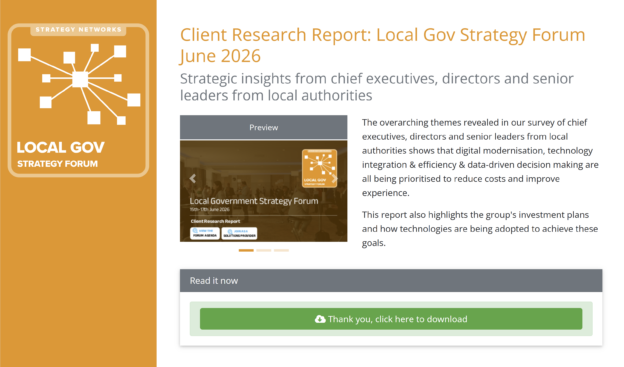
Cybersecurity is no longer absent from local government strategy, but according to research from the Local Gov Strategy Forum, it remains structurally subordinate. Despite increased investment and board-level visibility, it does not shape transformation. Instead, it sits behind financial survival and service modernisation, creating a misalignment where systemic risk is acknowledged but not architecturally addressed.

Continue reading

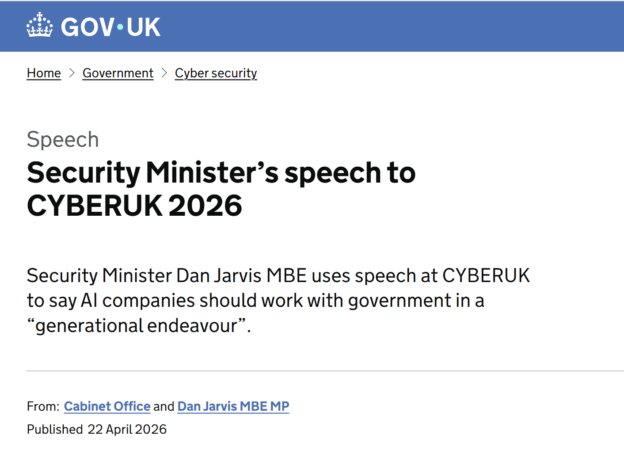
UK Cyber Policy Ecosystem Mapped: Structure and Evidence

This article maps the core policy architecture and supporting evidence underpinning the UK cyber security ecosystem. By separating system-defining strategies, legislation, and sectoral analyses from the research and technical studies that inform them, it provides a clearer view of how cyber policy, economics, and regional development interact across government and industry.

Continue reading

Lived Experience and the Question of Usefulness

Part 3 of a seven-part series exploring what it feels like to live inside a system that values certain minds for their usefulness. Recognition of neurodivergent strengths in modern industries has created new opportunities, but lived experience reveals a more complex reality. This article reflects on the gap between technical usefulness and social understanding, exploring masking, misinterpretation, and the persistent challenge of belonging in environments built around neurotypical expectations.

Continue reading

No Comfort Here: Muriel Spark, Catholicism, and the Problem of Control versus Self Control

Muriel Spark’s fiction rejects the idea that conversion offers comfort. Instead, it imposes structure, constraint, and limits on human authorship. Through The Driver’s Seat and The Public Image, and in contrast to postmodernism and writers like du Maurier, Spark shows that attempts at total control collapse into termination. Set against lived experience of suicide and ideation, the essay argues that meaning requires shared reality and sustained participation, not imposed closure.

Continue reading

Neurodiversity and the Question of Usefulness

Part 2 of a seven-part series examining how modern societies frame neurodivergent cognition as economically valuable. As neurodiversity gains recognition, autistic and ADHD cognitive traits are increasingly framed as valuable assets in technical industries. This article explores the tension between genuine acceptance and economic instrumentalisation, examining how societies celebrate neurodivergent minds for their analytical strengths while often overlooking the broader realities of neurodivergent experience.

Continue reading

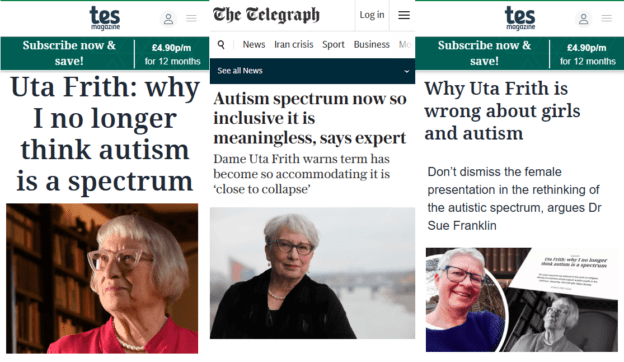
The Spectrum Didn’t Collapse. It Was Flattened. A Response to the Uta Frith Autism Debate.

A response to Dame Uta Frith on autism, diagnosis, and the limits of the spectrum. Dame Uta Frith’s claim that the autism spectrum is “close to collapse” reflects a real tension in modern diagnosis. This article argues that the issue is not over-inclusion, but diagnostic flattening following the DSM-5 consolidation of distinct profiles into a single category. Drawing on a broader series of work, it reframes the problem as structural, shaped by simplification, usefulness, and misalignment between cognitive diversity and fixed systems.

Continue reading

No Cyber Idea: Why I Built Cyber Tzar (and Why I Don’t Buy the Consulting Model)

Cyber risk has become an exercise in interpretation rather than reduction. The industry has over-optimised for modelling, scoring, and explaining exposure, often driven by consulting-led approaches that rely heavily on subjectivity and narrative. This piece argues that the real problem is upstream: data acquisition, normalisation, and comparability. Cyber Tzar was built to industrialise that problem, collapsing the time between discovery and action, and shifting organisations away from “bean counting” risk towards actually reducing it. The distinction is simple: attackers exploit exposure, not models.

Continue reading