Tag Archives: Supply Chain Security

The UK Cyber Economy Is Changing Shape, and the West Midlands May Be Better Positioned Than It Realises

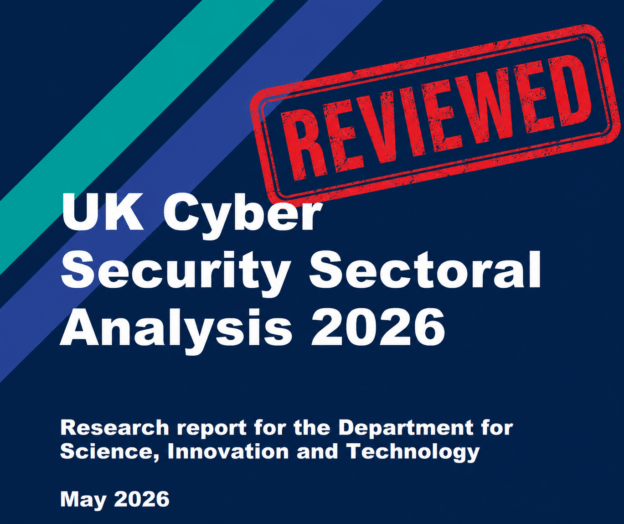
The 2026 DSIT Cyber Security Sectoral Analysis reveals more than continued growth in the UK cyber sector. Beneath the headline statistics sits a deeper structural transition: cyber is increasingly becoming a distributed economic infrastructure tied to industrial resilience, operational continuity and supply-chain assurance. This article examines the implications of regionalisation, slowing employment growth, rising productivity pressure and AI-driven dependency complexity, particularly for industrial regions such as the West Midlands.

Continue reading

Super-Productive WM Cyber Day: Reflections from the Tech Transformation Summit, Innovation Fest and the SWBH NHS Charity Quiz Night

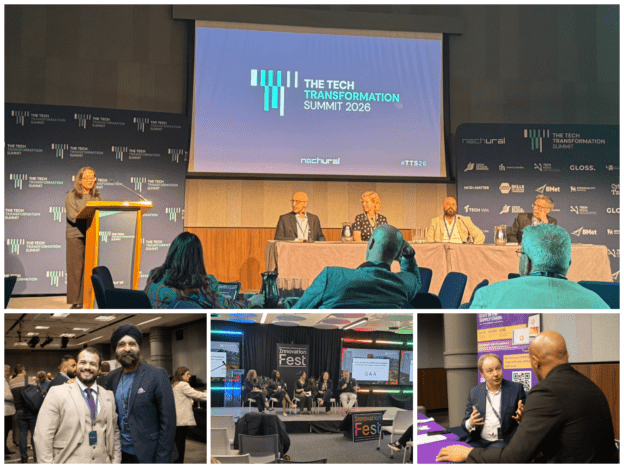
A reflection on a uniquely busy West Midlands cyber and technology day spanning the Tech Transformation Summit, BCU Innovation Fest and the SWBH NHS Charity Quiz Night. Covering cyber resilience, leadership, AI, workforce transformation, industrial resilience, and the growing regional cyber ecosystem, the article explores how operational resilience is increasingly a human, organisational, and economic challenge rather than a purely technical one.

Continue reading

CYBERUK 2026: From Policy to Practice and the System Inbetween

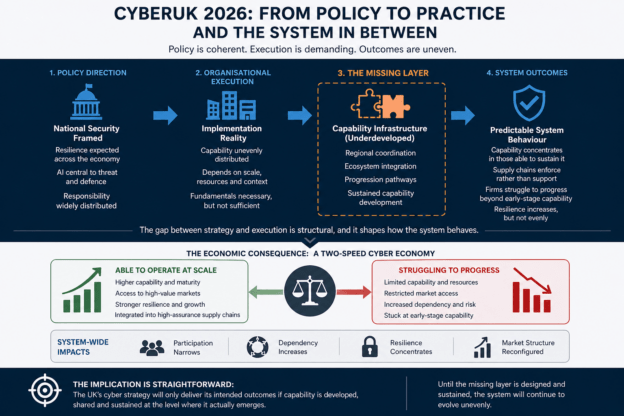
CYBERUK 2026 signals a shift from building a cyber ecosystem to operating a national cyber system. Across a series of analyses, a consistent pattern emerges: policy is coherent, execution is demanding, and outcomes are uneven. This article draws those strands together to show that the gap between strategy and delivery is not incidental; it is structural, and it defines how the system behaves.

Continue reading

CYBERUK 2026: From Policy Ecosystem to Operational Doctrine

The UK’s Security Minister, Dan Jarvis MBE’s CYBERUK 2026 speech, signals a shift from building a cyber ecosystem to actively operating a national cyber system. It elevates baseline security expectations, embeds supply chain enforcement, and positions AI as central to defence. However, this transition risks concentrating market power, potentially excluding SMEs while increasing dependence on a small number of large firms and frontier AI providers.

Continue reading

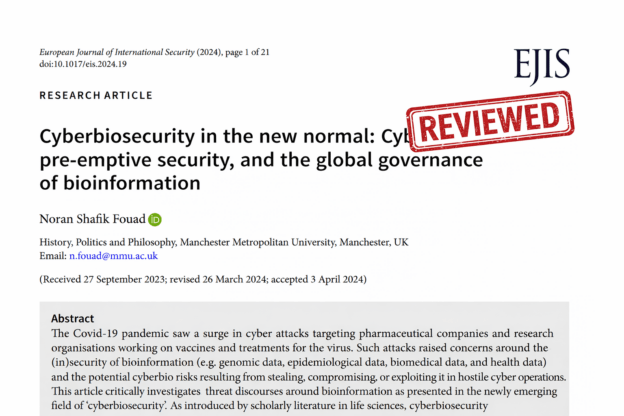
Cyberbiosecurity in the New Normal Reviewed: Governance First, Apocalypse Later

Fouad’s “Cyberbiosecurity in the New Normal” attempts to elevate the digitisation of biology into a matter of international security. She is right that biology is now deeply digital and that this creates new attack surfaces. Where the article overreaches is in treating these risks as exceptional, geopolitically novel, or strategically transformative in themselves. Most cyberbio risks today are not exotic or unprecedented; they are familiar engineering and governance failures appearing in a new domain. The danger is less hacked DNA than over-securitised data.

Continue reading

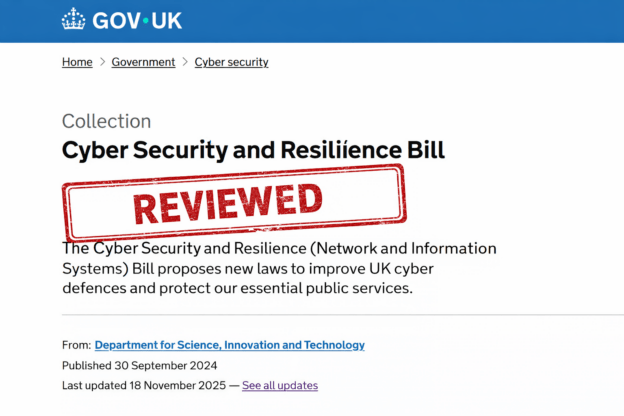
The UK Cyber Security and Resilience Bill 2025: What It Means and Why It Matters

The UK Cyber Security and Resilience Bill 2025 represents a major shift from sector-based cyber regulation to a broader national resilience framework. By expanding the NIS regime to data centres, managed service providers and critical suppliers, strengthening incident reporting, and introducing strategic governance and national security powers, the Bill closes long-standing gaps but raises challenges around proportionality, skills, regional delivery and SME impact.

Continue reading

Professionalising Cyber: Reflections from Conway Hall

A first-hand reflection on the UK Cyber Security Council’s recent “The Journey to Professionalisation” event at Conway Hall, exploring the ongoing professionalisation of the cyber security sector. Highlights include the expansion of recognised specialisms, the development of the UK Cyber Skills Framework, and discussions on AI, early-career challenges, and the need for a more inclusive, realistic skills framework to support a growing cyber economy.

Continue reading