Tag Archives: Pop Culture

Thomas Pynchon, the Problem of Scale, and the Emergence of Densified Noir

This essay argues that Thomas Pynchon’s career alternates between maximalist “cathedral” novels that map the formation of modern systems and more compressed works that depict life inside those systems. Rather than decline, the shift from Gravity’s Rainbow to Inherent Vice reflects historical contraction. Shadow Ticket suggests a late hybrid form: densified noir.

Continue reading

The Web’s Odd Couple: Tim Berners-Lee, Marc Andreessen, and the Yin-Yang of the Early Internet

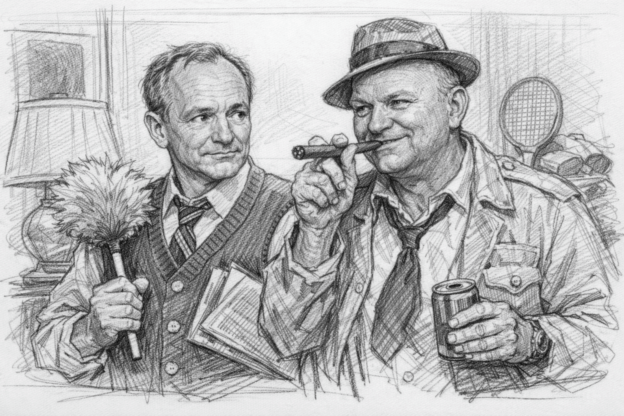
A neat myth says the web was invented as a benevolent commons and then “commercialised” by accident. The reality is harsher and more interesting: Tim Berners-Lee built an open architecture, Marc Andreessen industrialised it, and the web’s openness made it capturable. Netscape’s dominance, the server wars, and the rise of platforms show how commons become power. For those nostalgic for a “purer” web, this essay argues that openness was never innocence, and that the commons was always destined to collide with capture. Today, the public web is a shop window; real life moved indoors. What comes next is worse: AI-mediated “engagement” with humans recruited as emotional middleware.

Continue reading

Space Elves, Dragons, and the Joy of Kitbashing Exodites

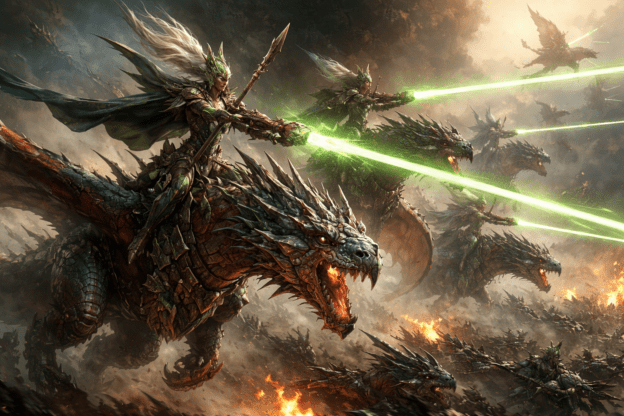
A personal reflection on decades of role-playing games, Warhammer, and kitbashing, exploring a lifelong love of Exodite Eldar, space elves, dragons, and the creative joy of building armies by hand, set against the wider cultural moment where Warhammer 40,000 has finally become something people are proud to admit they love.

Continue reading

I Have a Full Set of Every Appearance of Flaming Carrot and I’m Not Afraid to Use It

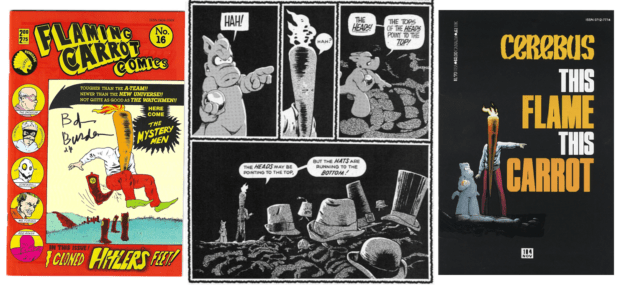
I own every appearance of Flaming Carrot, not as memorabilia but as a working instrument. This is a short essay about absurdity used with discipline: carrots against false seriousness, mockery as a tool, and what happens when you refuse to let power keep its costume. Flaming Carrot isn’t just a forgotten indie gem; he’s symbolic weaponry. Pataphysics writ large.

Continue reading

Daemon Targaryen is a bargain bucket Elric and Valyrians are knock-off Melnibonéans.

This article explores the intriguing comparisons between Daemon Targaryen from George R.R. Martin’s A Song of Ice and Fire series and Elric of Melniboné from Michael Moorcock’s Elric Saga, cheekily framing Daemon as a “bargain bucket Elric” and Valyrians as “knock-off Melnibonéans.” By examining their superficial similarities and deeper divergences, as well as the cultural parallels and distinctions between Valyrians and Melnibonéans, the discussion reveals both the influences and unique qualities that define these iconic characters and their respective worlds, offering insights into the rich tapestry of fantasy literature.

Continue reading

Power and Destruction in Panels: A Comparative Analysis of ‘Miracleman’ and ‘Uber’

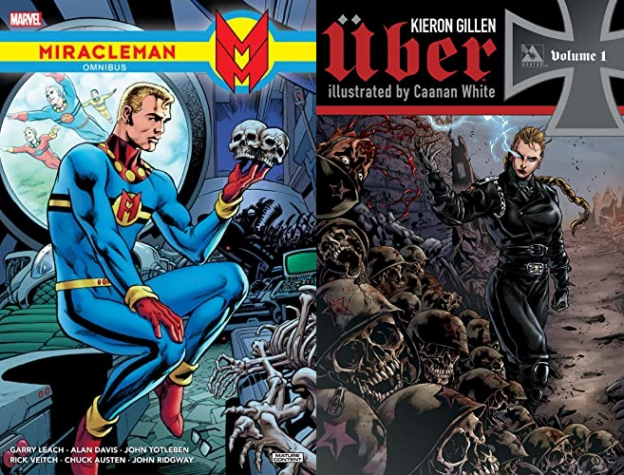
I like ‘Miracleman’. I like ‘Uber’. So this article delves into the thematic and narrative parallels between Alan Moore’s “Miracleman” and Kieron Gillen’s “Uber.” Exploring how both comics redefine superhero conventions through their dark, realistic portrayal of superhuman powers, the article highlights the influence of Moore on Gillen’s work and the shared focus on the catastrophic consequences of such powers in society.

Continue reading

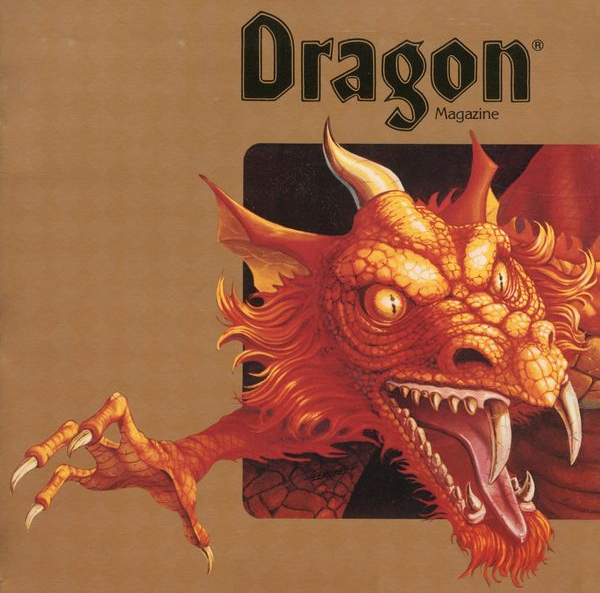
Dragon Magazine in the 1980s: Crucible for Fantasy Gaming Culture

In the annals of tabletop gaming, few publications can claim as much influence and staying power as Dragon Magazine, particularly during its formative years in the 1980s. A sister publication to the more dungeon-delving Dungeon Magazine, Dragon focused on the broader aspects of role-playing games, especially those related to Dungeons & Dragons. Throughout the 1980s, Dragon Magazine was more than just a magazine; it was a crucible where gaming culture was shaped, refined, and expanded.

Continue reading