Tag Archives: masking

Neurodiversity and the Question of Usefulness

Part 2 of a seven-part series examining how modern societies frame neurodivergent cognition as economically valuable. As neurodiversity gains recognition, autistic and ADHD cognitive traits are increasingly framed as valuable assets in technical industries. This article explores the tension between genuine acceptance and economic instrumentalisation, examining how societies celebrate neurodivergent minds for their analytical strengths while often overlooking the broader realities of neurodivergent experience.

Continue reading

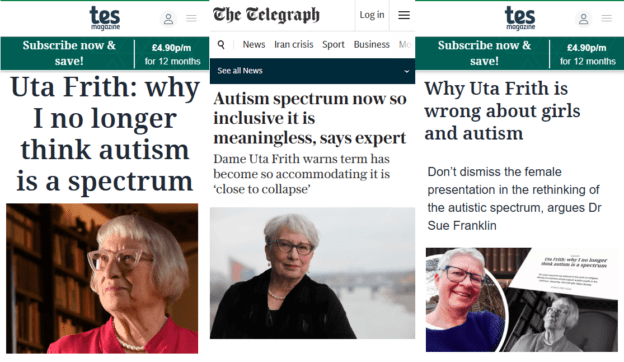
The Spectrum Didn’t Collapse. It Was Flattened. A Response to the Uta Frith Autism Debate.

A response to Dame Uta Frith on autism, diagnosis, and the limits of the spectrum. Dame Uta Frith’s claim that the autism spectrum is “close to collapse” reflects a real tension in modern diagnosis. This article argues that the issue is not over-inclusion, but diagnostic flattening following the DSM-5 consolidation of distinct profiles into a single category. Drawing on a broader series of work, it reframes the problem as structural, shaped by simplification, usefulness, and misalignment between cognitive diversity and fixed systems.

Continue reading

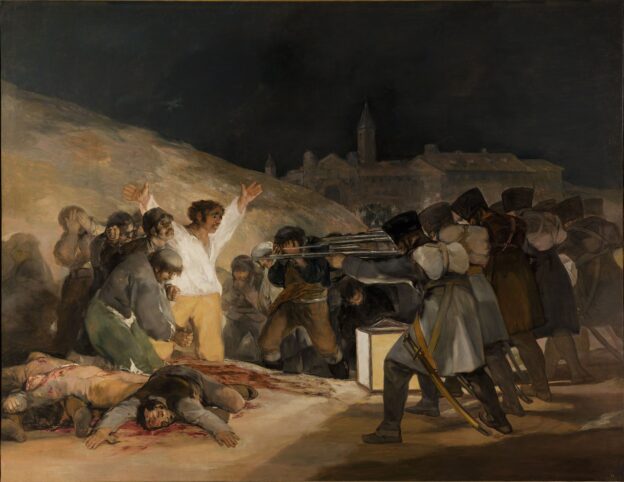
Asperger’s Syndrome and the Question of Usefulness

Part 1 of a seven-part series examining how societies understand neurodivergent minds through the lens of usefulness. The uneasy history of a diagnosis born in Nazi-era Vienna. Hans Asperger first described a group of intellectually capable but socially atypical children in Nazi-era Vienna. Later research has shown his work occurred within a medical system shaped by eugenics and the classification of human usefulness. This article examines the difficult history of the Asperger’s diagnosis, the children it helped protect, those it did not, and the lasting implications for how autism is understood today.

Continue reading

Can’t Understand Neurodivergent Thinking

Using the February 2026 BAFTA controversy involving Tourette’s activist John Davidson as a cultural flashpoint, this essay examines why neurodivergent people are instinctively rejected. Blending research, lived experience, and sector insight, it argues that discomfort with autistic cognition is not merely institutional but biological and tribal. Instinct, however, is not justification. Inclusion requires discipline, not sentiment. Tolerance must extend beyond what feels comfortable.

Continue reading

The Work Speaks for Itself

This article explains why I am stepping back from writing about neurodiversity as a primary lens for my work. Not because the subject no longer matters, but because over time it has begun to obscure achievement rather than illuminate it. This is a reflection on explanation, authority, and the point at which context stops being helpful and starts getting in the way.

Continue reading

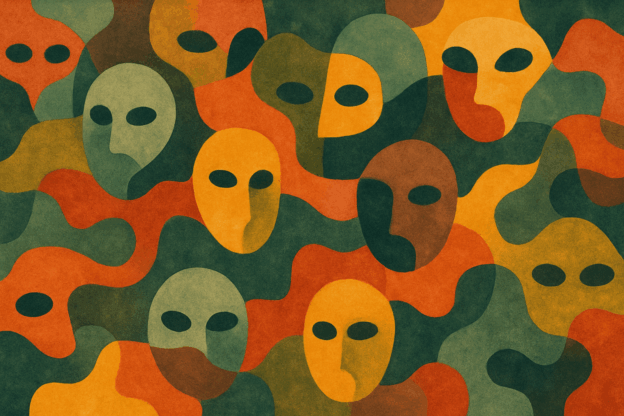
The Hidden Costs of Masking: What Research and Autistic Voices Reveal

This article explores the hidden psychological, physical, and social costs of autistic masking, drawing on current research and lived experience. Combining academic insight with personal anecdotes, it examines how masking impacts wellbeing, identity, and burnout, and argues that masking is not an individual adaptation but a response to structural neurotypical norms and inequality embedded in modern social and professional life.

Continue reading

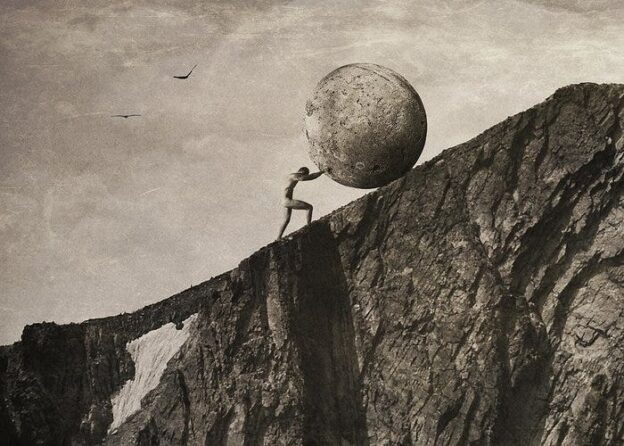
The Problem with High-Performing Autistic Masking

This reflection explores the psychological and emotional toll of high-performing autistic masking, the survival skill that demands total authenticity in artifice. Drawing parallels to method acting and philosophy, it considers how masking can blur identity itself, offering insight into the lived experience of neurodivergent authenticity and exhaustion.

Continue reading

Beyond Masking: The Other Forms of Camouflaging in AuDHD Lives

This article explores the broader spectrum of camouflaging behaviours among neurodivergent people with AuDHD, extending beyond masking. It describes overcompensating, over-explaining, role-playing, disappearing, hyper-mirroring, caregiving, channelling intensity into acceptable pursuits, and intellectualising emotions. A comparison table shows how these strategies differ from masking while still leading to exhaustion, identity confusion, and misdiagnosis.

Continue reading

Guide to Masking for People without Asperger Syndrome (or ASD)

Masking, at its core, is a kind of impersonation, not to deceive, but to adapt. Everyone does it to some degree, but for people with Asperger’s or ASD, it becomes a survival tool, a way to navigate a neurotypical world that feels alien at times. It’s not about being fake; it’s about blending in, building connections, or simply staying safe.

“We’re all impersonating a personality.” Jean-Paul Sartre (allegedly)

In this guide, I’ll explore the reality of masking, the principles behind doing it well, and the risks it carries. This is a firsthand account from someone with ASD who has learned how to mask, sometimes too well, and the lessons I’ve taken from years of experience, including moments where the mask inevitably slipped.

Continue reading

Asperger’s Syndrome and the Skepticism towards Social Science: A Personal Perspective

From the outside looking in, the world of social science – particularly concepts like personality types – can appear fascinating and revelatory. However, for many individuals with Asperger’s Syndrome (part of the broader autism spectrum), these structures can sometimes feel like contrived categorizations. This isn’t to say that all those with Asperger’s share this sentiment, but a segment does find it challenging to relate to these constructs. Let’s delve into why, using myself as a template and lens.

Continue reading

Masking and Personality Typing: An Asperger’s Perspective

This article explores how masking, often necessary for those with Asperger Syndrome, complicates the accuracy of personality typing systems. Drawing from personal experiences in a challenging post-war inner-city environment, it critiques the limitations of these systems in truly capturing one’s authentic self and offers insights into the interplay between identity, masking, and neurodiversity.

Continue reading
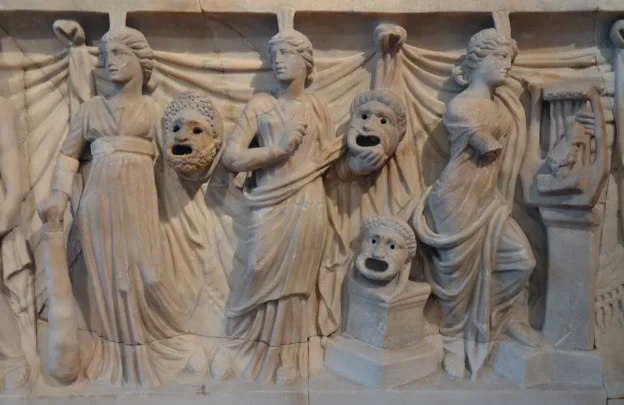
Intricate linen masks were central to theater performances in ancient Greece. Credit: Carole Raddato, CC BY-SA 2.0 https://www.flickr.com/photos/carolemage/

Impersonating Personalities: Camouflaging, “Masking”, and the Masks Worn by Individuals with Asperger’s Syndrome and ASD

In a world that often values conformity over authenticity, many individuals feel compelled to “mask” their true selves to fit societal norms. This phenomenon, poignantly highlighted by Jean-Paul Sartre’s reflection on impersonating personalities, finds a profound resonance among those with Asperger’s Syndrome and other Autism Spectrum Disorders (ASD). Dive into an exploration of the challenges, emotions, and experiences behind the masks worn by these individuals, and understand the deeper implications of what it truly means to fit in.

Continue reading