Tag Archives: Literary Analysis

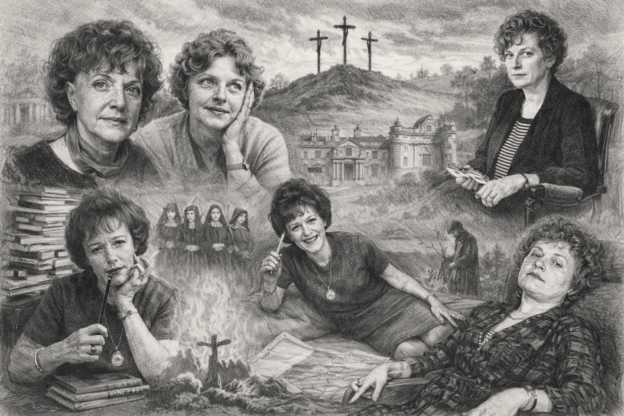
No Comfort Here: Muriel Spark, Catholicism, and the Problem of Control versus Self Control

Muriel Spark’s fiction rejects the idea that conversion offers comfort. Instead, it imposes structure, constraint, and limits on human authorship. Through The Driver’s Seat and The Public Image, and in contrast to postmodernism and writers like du Maurier, Spark shows that attempts at total control collapse into termination. Set against lived experience of suicide and ideation, the essay argues that meaning requires shared reality and sustained participation, not imposed closure.

Continue reading

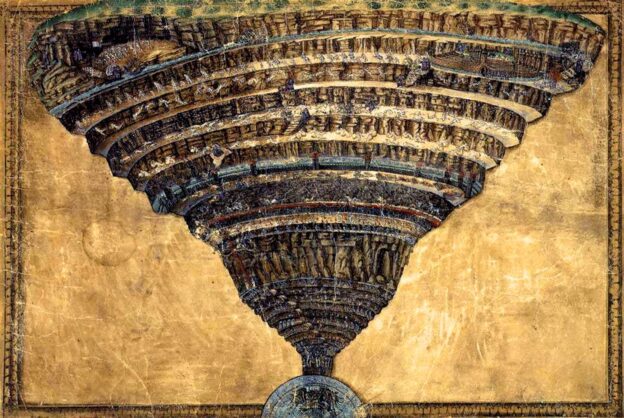
Mapping the Abyss: A Journey Through Dante’s Circles of Hell

This article explores Dante’s Inferno as a structured moral and theological descent, examining the logic behind each of the nine circles of Hell. From lust and gluttony to fraud and treachery, each level reveals how Dante views sin not just as misdeed but as a deformation of the soul and will.

Continue reading

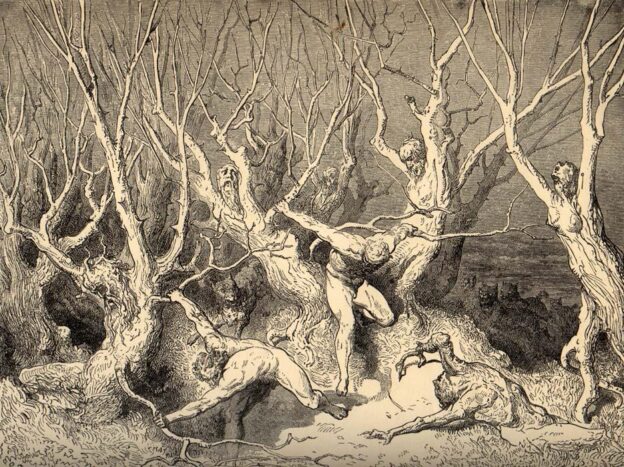
The Forest and the Hounds: Dante’s Seventh Circle and the Political Economy of Despair

Dante’s Inferno presents the Seventh Circle of Hell as the realm of suicides and profligates, those who destroy the self, whether through despair or excess. This article explores the theological, philosophical, and symbolic dimensions of their punishment, revealing a moral economy where the will, once corrupted, leads to irreversible ruin, the ultimate truth: suicide is irredeemable.

Continue reading