Tag Archives: meaning

A House Is Not a Motel: On Endurance, Belonging and What Comes After Survival

The problem is not that endurance failed. The problem is that it worked. I can teach students how to be successful. I cannot, apparently, teach them how to be happy. The same system produced a career, a large house, freedom, and children strong enough to leave. What it cannot manufacture is home, because home requires another free person, and another free person cannot be built. This is an essay about what comes after survival, when getting up was supposed to be the beginning of something, and turned out to be the thing I knew how to do.

Continue reading →

Choose to Build Your Own Meaning Anyway: Beyond the Question of Usefulness

Part 7 of a seven-part series examining neurodivergence through the lens of usefulness. This article moves beyond analysis to response, arguing that when systems fail to produce belonging or meaning, the only viable path is to construct meaning deliberately. Drawing on lived experience, philosophy, and practice, it explores how to continue without resolution by building something that matters, rather than being defined solely by usefulness.

Continue reading →

No Comfort Here: Muriel Spark, Catholicism, and the Problem of Control versus Self Control

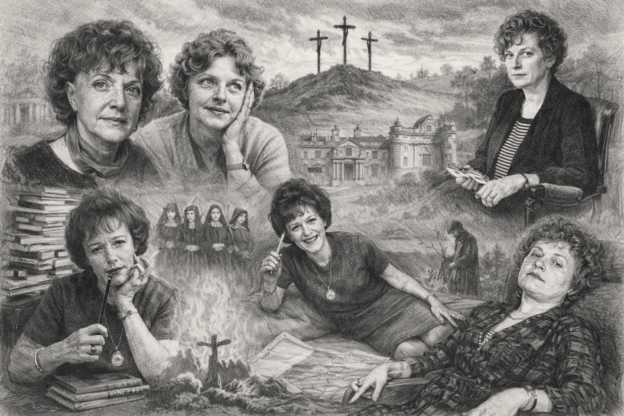
Muriel Spark’s fiction rejects the idea that conversion offers comfort. Instead, it imposes structure, constraint, and limits on human authorship. Through The Driver’s Seat and The Public Image, and in contrast to postmodernism and writers like du Maurier, Spark shows that attempts at total control collapse into termination. Set against lived experience of suicide and ideation, the essay argues that meaning requires shared reality and sustained participation, not imposed closure.

Continue reading →

Yearning for Roses: Dostoevsky, Miller, and Hope in the Despair

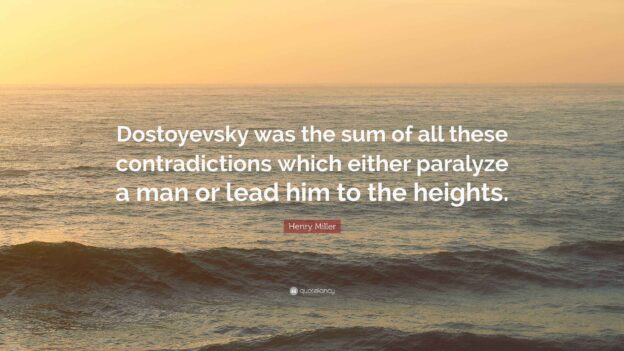
This article compares Dostoevsky’s reverent depiction of the human yearning for belief with Henry Miller’s scathing rejection of it. While Miller sees the search for meaning as self-deceiving, Dostoevsky honours it as a vital and dignified part of being human. The piece argues that, despite the pull of nihilism, the refusal to stop seeking meaning reveals something essential about the human spirit.

Continue reading →