Tag Archives: modernity

Reproductive Desynchronisation: Birthgap, Behavioural Sink, and the Missing Mechanism in Population Collapse

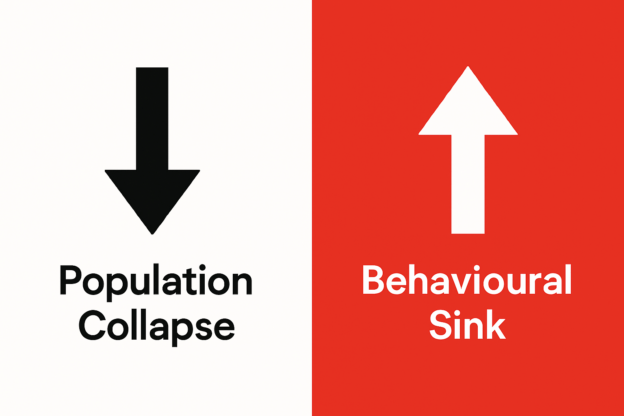
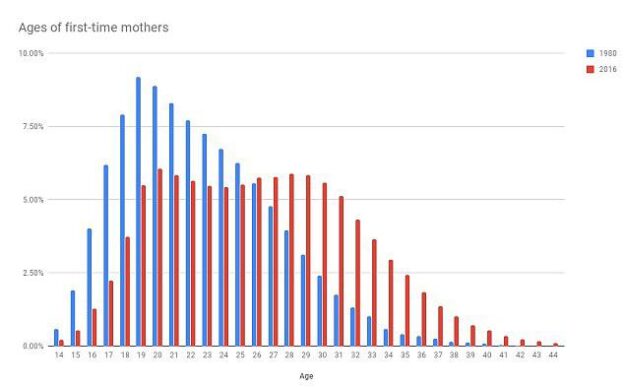
Birthgap and the Illusion of Choice: Why Population Collapse and Behavioural Sink Are the Same Crisis Seen from Different Scales. This article argues that modern societies face a dual crisis that only appears contradictory: demographic decline alongside rising social and psychological overload. Drawing on demographic research, behavioural-sink theory, and the Birthgap thesis, it shows how delayed parenthood and declining fertility coexist with intensified competition, urban stress, and digital saturation. The core mechanism is reproductive and social desynchronisation, which produces biologically emptier societies that nevertheless feel increasingly crowded. Together, these dynamics reveal a structural failure of modern social organisation rather than a matter of individual choice. The illusion of choice is that there is a choice.

Continue reading
Conflicting Social Dynamics: Population Collapse Versus Behavioural Sink

Modern societies face two anxieties that appear contradictory: fears of population collapse and fears of behavioural-sink-like social breakdown. This article shows that both can be true simultaneously because they operate on different dimensions: biological decline and functional overcrowding. By integrating demographic and psychosocial dynamics, it explains how civilisation can be both underpopulated and overwhelmed at the same time.

Continue reading

Two Sides of a Dying Blade: Yojimbo, Sanjuro and the End of the Samurai Age

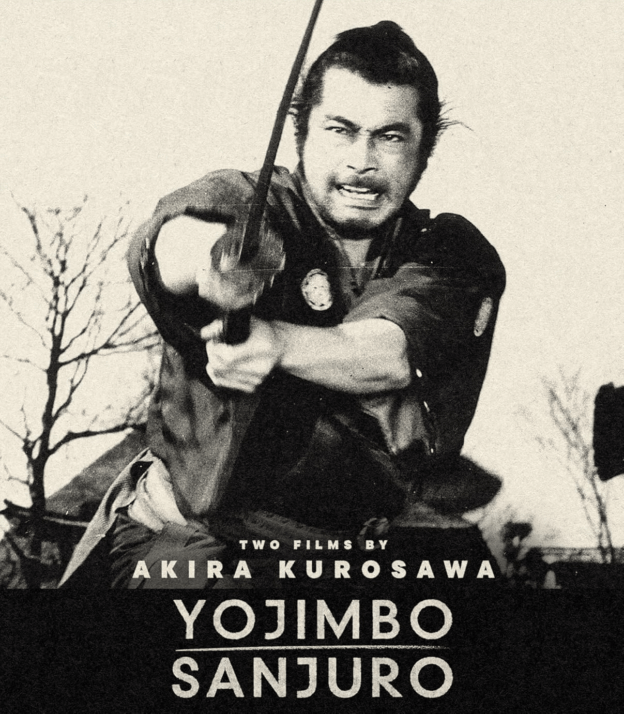
This article explores Yojimbo and Sanjuro as two sides of the same coin, charting the decline of the samurai in feudal Japan. Yojimbo depicts the “why”: the collapse brought on by greed, corruption, and the rise of firearms, where mediocre men with guns en masse overpower disciplined swordsmen. Sanjuro shows the “how”, the aftermath, where the last true samurai are left to kill each other while naive reformers blunder around them. Together, the films reflect Kurosawa’s shifting mood and Japan’s uncertain transition into modernity.

Continue reading

Yearning for Roses: Dostoevsky, Miller, and Hope in the Despair

This article compares Dostoevsky’s reverent depiction of the human yearning for belief with Henry Miller’s scathing rejection of it. While Miller sees the search for meaning as self-deceiving, Dostoevsky honours it as a vital and dignified part of being human. The piece argues that, despite the pull of nihilism, the refusal to stop seeking meaning reveals something essential about the human spirit.

Continue reading