Author Archives: Wayne Horkan

About Wayne Horkan

I’m a technologist and engineer, typically working in enterprise architecture and systems engineering.

Overview of Myers-Briggs Type Indicator (MBTI)

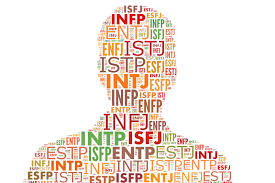
The Myers-Briggs Type Indicator (MBTI) is a widely used personality assessment tool based on Carl Jung’s theory of psychological types. Developed by Katharine Cook Briggs and her daughter, Isabel Briggs Myers, the MBTI classifies individuals into one of 16 personality types based on four dichotomies.

Continue reading →
History of Myers Briggs

The history of the Myers-Briggs Type Indicator (MBTI) is deeply rooted in the pursuit of understanding human personality. The journey of MBTI’s development stretches over several decades, involving rigorous research, personal passion, and continuous refinement.

Continue reading →

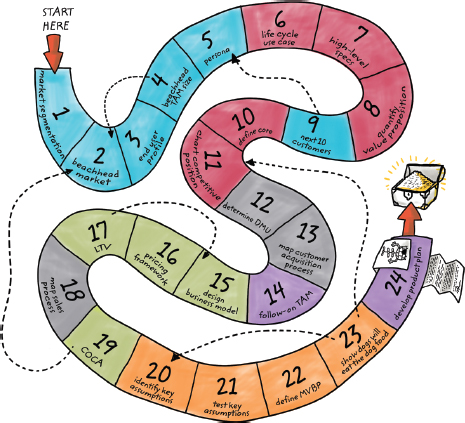
“Disciplined Entrepreneurship: 24 Steps to a Successful Startup” by Bill Aulet

Bill Aulet is an accomplished entrepreneur, educator, and author. Here’s a brief overview of his background along with a synopsis of his acclaimed work “Disciplined Entrepreneurship: 24 Steps to a Successful Startup”.

Continue reading →

Deloitte’s Business Chemistry: A Definitive Exploration

In an era where the human factor remains crucial for business success, understanding and managing diverse personalities within teams has become paramount. Enter Deloitte’s Business Chemistry: a tool designed to decode the complexities of interpersonal dynamics within a corporate environment.

Continue reading →

Lords of the New Church: Post-Punk Pioneers

Lords of the New Church represented a fusion of punk and gothic rock, carving a niche for themselves in the post-punk landscape of the early 1980s. Featuring members from established punk bands, they combined their past experiences to create a sound that was both darkly melodic and raw.

Continue reading →

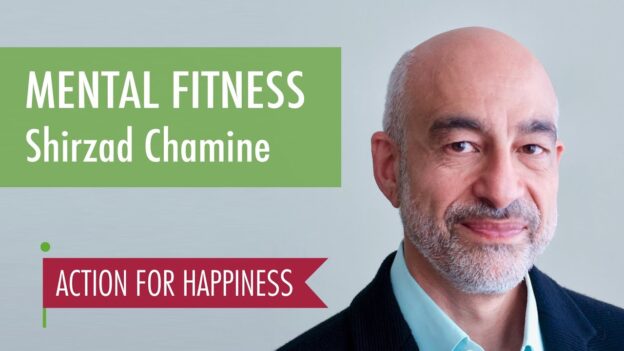
Synopsis and Critical Analysis of “Positive Intelligence” by Shirzad Chamine

Positive Intelligence” by Shirzad Chamine provides insights into how individuals can harness the power of their mind to achieve success, happiness, and their true potential. Here’s a synopsis of the book, followed by a critical analysis, with consideration for the neurodiverse, specifically Asperger’s Syndrome.

Continue reading →