Tag Archives: Sonia Hall

This tag collects articles influenced directly or indirectly by Sonia Hall and by a brief but intellectually significant period focused on psychology, personal growth, service, and human development. It is part of a wider series on relationships and influence.

Several of these articles were inspired by conversations about person-centred psychology, group processes, empathy, authenticity, and the conditions that allow people to flourish.

Unlike many of the technical and organisational topics explored elsewhere on Horkan.com, this collection focuses more explicitly on people, relationships, communities, and psychological development.

Recurring themes include:

  • congruence
  • acceptance
  • growth
  • empathy
  • authenticity
  • service
  • community care

Looking back, the defining question of this period seems to be:

What conditions allow people to become more fully themselves?

The resulting articles explore psychology, neurodiversity, human development, community, and the environments that support personal and collective growth.

Serving the Community: The Story of Servol, Charles Jordan MBE and What Was, What Is, and What Could Be

This article traces the history of Servol Community Services from its founding in 1979 by Charles Jordan MBE, exploring its mission, growth, and the pressures facing modern social-care charities. It reflects on recognition, institutional memory, and the quiet sacrifices behind community work, ending with a personal appeal to honour the charity’s origins and reconnect present delivery with its founding spirit.

Continue reading

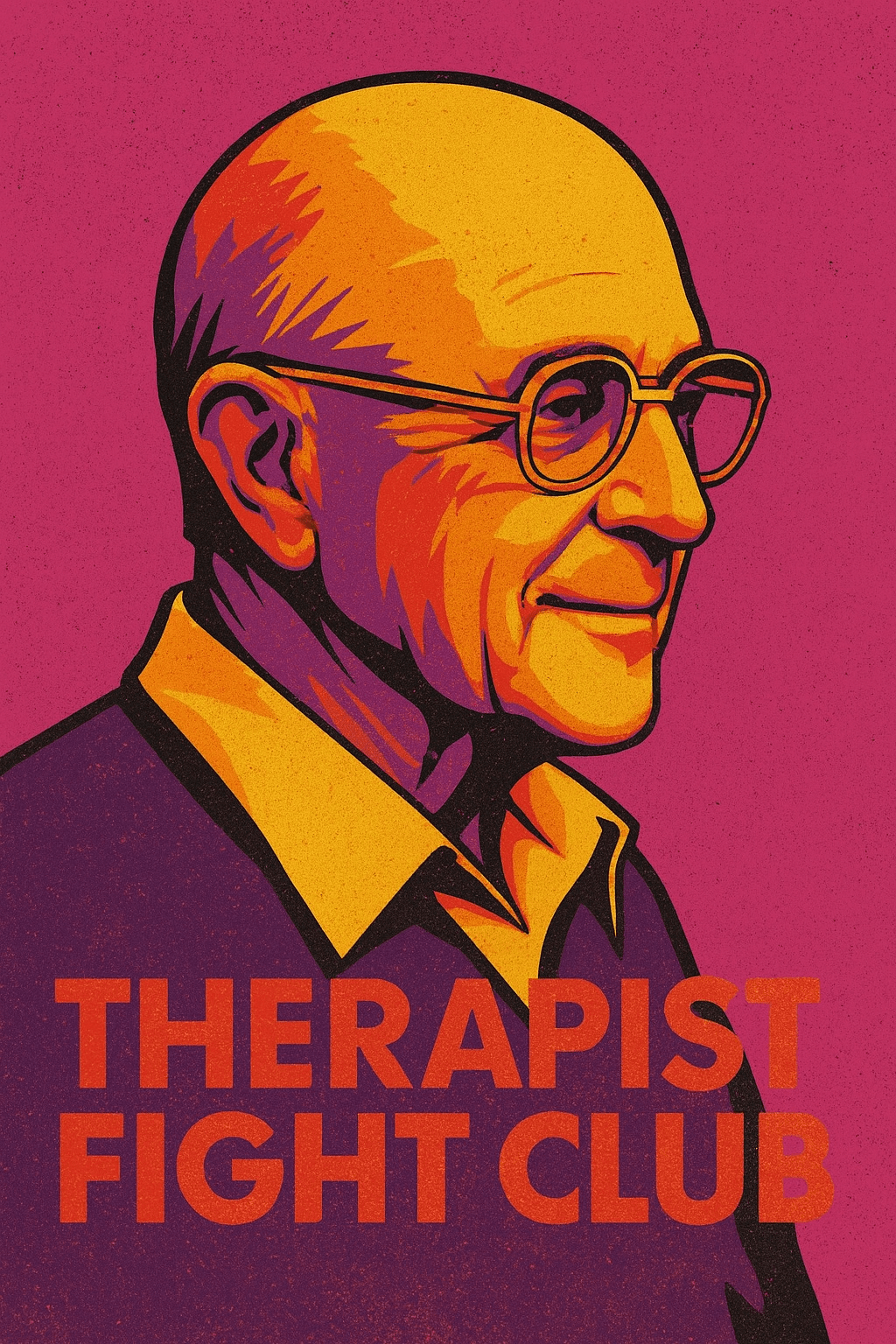
Therapist Fight Club: Carl Rogers’ Person-Centred Psychology for the Neurodiverse Mind

This article reinterprets Carl Rogers’ person-centred psychology through the lens of Asperger’s and systems thinking. Stripping away sentimental language, it presents Rogers’ model as a structured feedback loop, a “Therapist Fight Club” where both therapist and client co-train, honing coherence and self-consistency. Written as an interest piece for the neurodiverse, it reframes therapy not as emotional fixing, but as optimising a system to run with fewer contradictions.

Continue reading