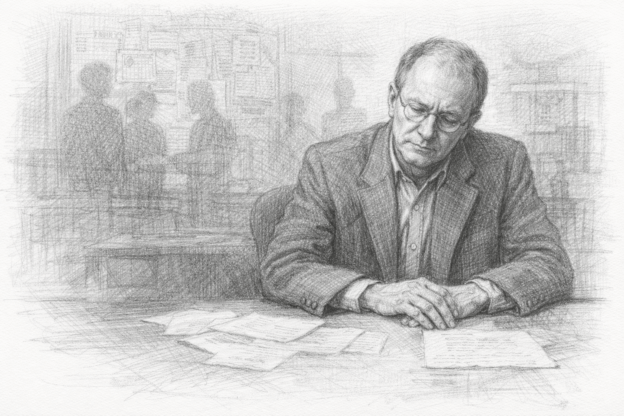
Comparing Jeffrey Pfeffer with Niccolò Machiavelli reveals a shared realism about power stripped of moral comfort. Both describe influence as driven by perception, control, and strategic action rather than virtue, and both expose why idealism so often fails in practice. Yet they diverge in intent: Machiavelli accepts harm as the price of order, while Pfeffer ultimately confronts the human and organisational costs of power-driven systems. Together, they show that the mechanics of power are historically stable, even as modern leaders are increasingly forced to reckon with their consequences.
Continue reading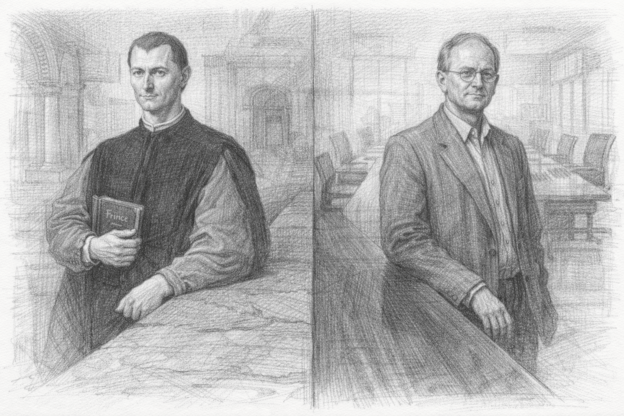
From The Prince to the Boardroom: Power in Machiavelli and Jeffrey Pfeffer
Leave a Reply · 08/01/2026 · 0, 2, 10, 135, 135 popular